Local First Applications
(Last updated on 22 Feb 2026)
In this post, I’ll try to delve into different possibilities to build a local-first application.
First, we’ll dive into what local-first applications are and why you would want to build one.
But even before getting to that, let’s take a very quick & I promise & look at how we used to host databases in the past (and present).
Ye olde way
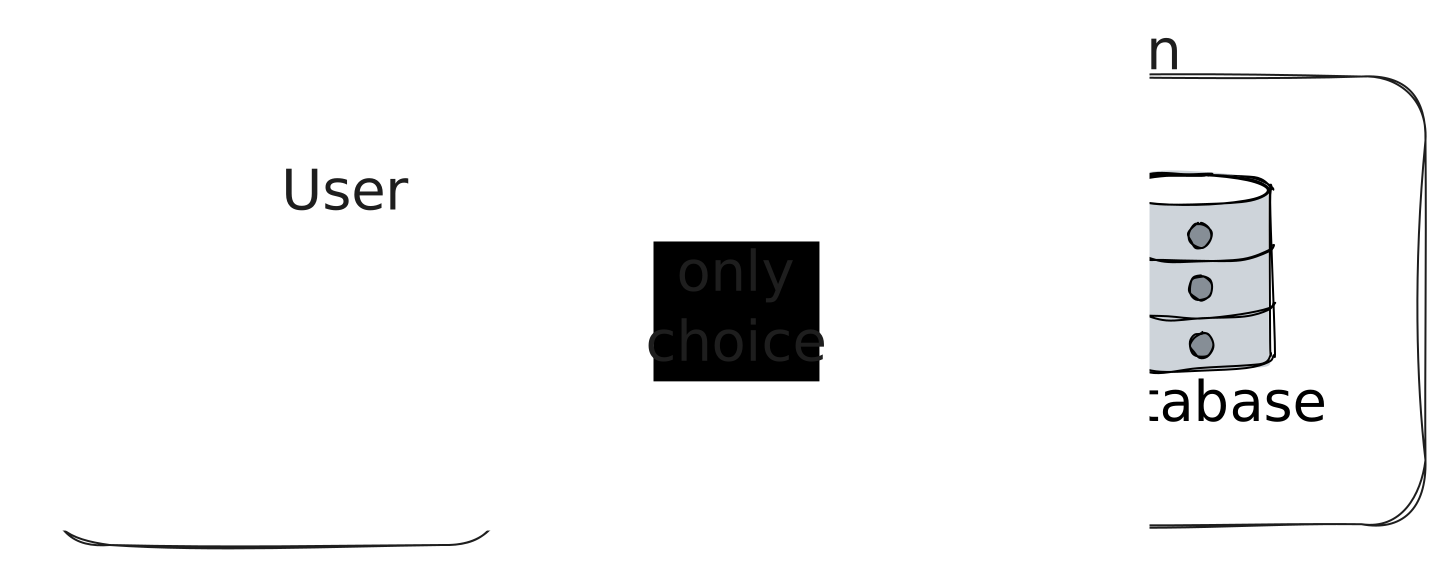
Traditionally, you had a centralised server, which stored all the data.
This obviously comes with a set of drawbacks, most notably:
- Latency: Requests from your users take a long time to reach the server.
- Availability: If for some reason the server is down, your application is rendered completely unusable.
- Scalability: If your application becomes popular, you need to scale your server vertically to handle the load.
Distributed replicas
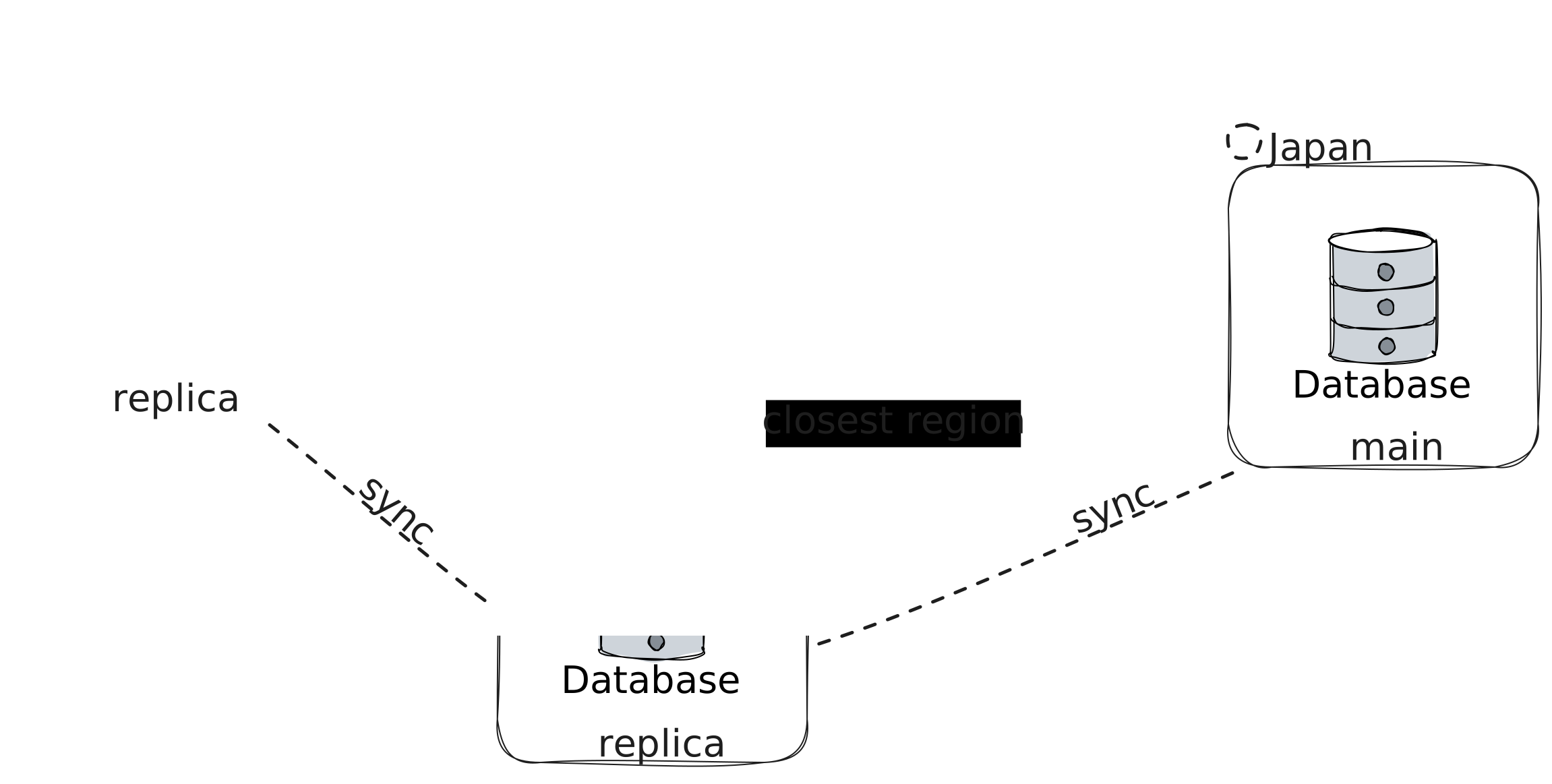
To address these issues, distributed database systems were introduced. These systems maintain multiple replicas of the data across different servers, providing:
- Lower Latency: Users can connect to the nearest replica.
- Higher Availability: If one server goes down, others can still serve requests.
- Scalability: More replicas can be added as user base grows. You can also scale horizontally and not only vertically.
However, this approach still has some limitations:
- Complexity: Managing consistency between replicas is challenging.
- Offline Access: Users can’t access data when completely offline.
Local-first approach
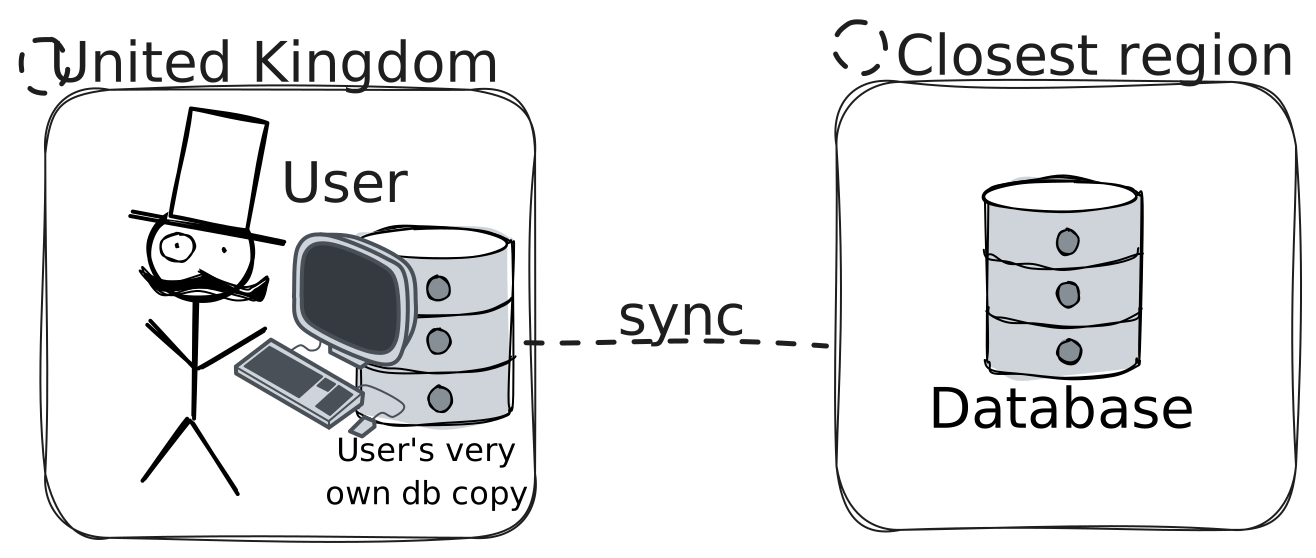
The local-first approach takes distributed systems a step further by bringing the data directly to the user’s device. This paradigm shift offers several key advantages:
- Instant Access: Data is available immediately without network requests.
- Offline Capabilities: Applications remain fully functional even without internet.
- Enhanced Privacy: Sensitive data stays on the user’s device.
- Reduced Costs: Less server infrastructure is needed.
However, implementing local-first applications comes with its own set of challenges:
- Data Synchronization: Keeping data consistent across devices requires sophisticated conflict resolution strategies
- Storage Management: Local storage limitations must be carefully considered
- Security: Protecting local data from unauthorized access is crucial
There are a few different ways to implement local-first applications.
- You use a local storage solution like IndexedDB (on the browser) or
- You embed a database in your application using WASM (e.g. SQLite or PGLite)
And then you use some sort of sync algorithm to keep the data in sync between the devices.
I found a couple of interesting projects that implement local-first applications, which I’ll cover in a future post.
CC BY-NC 4.0 2026 © Oleg Korol.RSS